
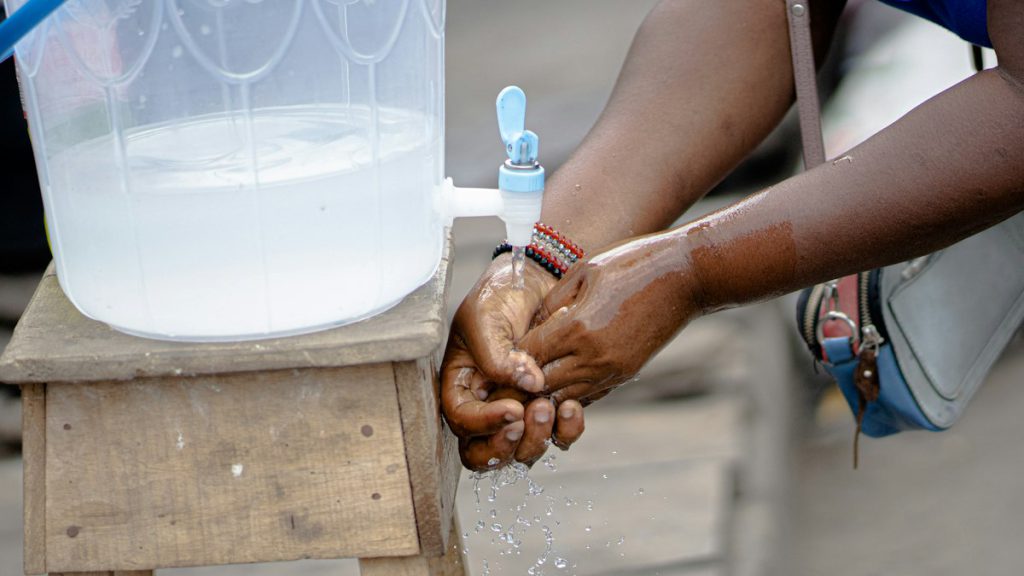
Nigeria has a water problem. And that problem is a goldmine for smart entrepreneurs.
Across the country, millions of Nigerians rely on packaged water every single day. From the hawker selling sachets at a traffic junction in Lagos to the kiosk owner in Aba stocking chilled bottles, the demand for clean drinking water is constant, massive, and growing. The pure water and bottled water business is one of the most recession-resistant businesses you can start in Nigeria today.
Whether you are looking at a small sachet water (pure water) production line or a full bottled water plant, this guide covers everything you need to know to get started in 2026. We will walk you through costs, equipment, NAFDAC registration, production, staffing, marketing, and profit potential.
Market Overview and Opportunities
Nigeria is Africa’s most populous country with over 220 million people. The World Health Organisation estimates that a large portion of Nigerians still lack access to safe drinking water at home. This forces both urban and rural consumers to rely on packaged water for daily drinking needs.
Here is what makes this market so attractive right now:
- Daily consumption is non-negotiable. People need water every day, regardless of economic conditions.
- Urban population growth is fuelling demand. More people moving to cities means more customers who cannot fetch water from a well.
- The middle class is expanding, and with it, demand for higher-quality bottled water brands is rising.
- Existing brands cannot serve every location. There is always room for a well-positioned local producer.
- The informal sector (roadside sales, kiosks, canteens, schools, events) continues to generate consistent volume-driven revenue for sachet producers.
According to industry estimates, Nigeria’s packaged water market is worth hundreds of billions of naira annually and continues to grow. Competition exists, yes, but so does opportunity, especially for producers who focus on quality, consistency, and smart local distribution.
Types of Water Business: Sachet vs. Bottled Water
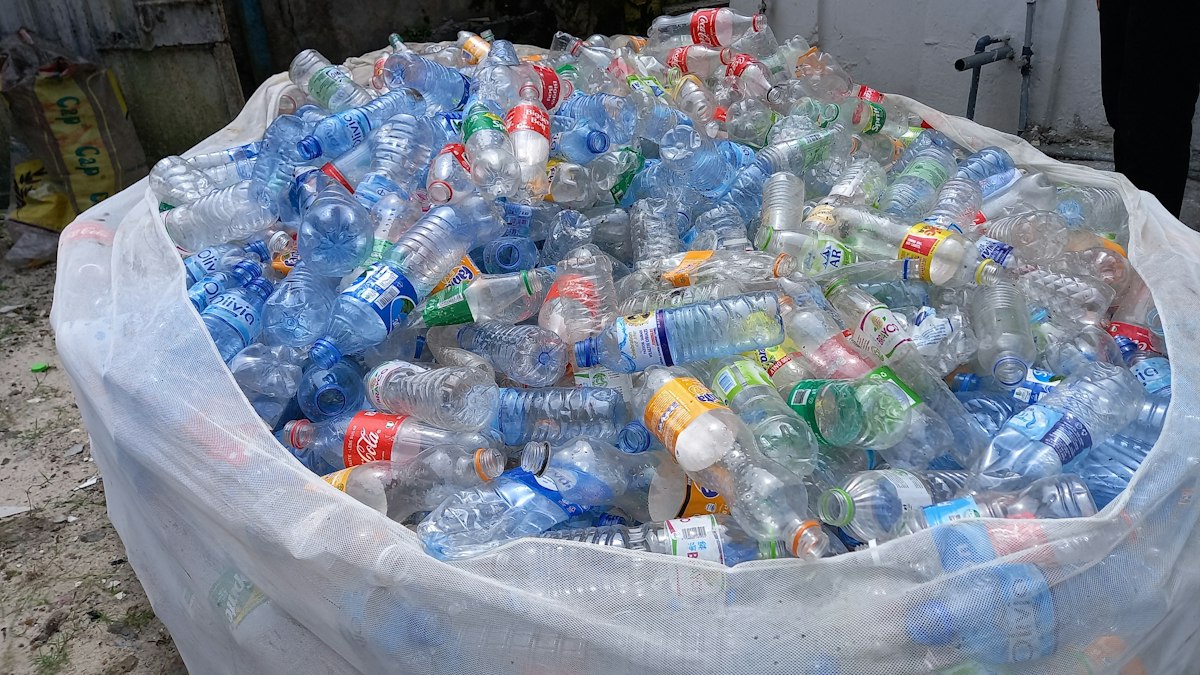
Before you invest a kobo, you need to decide which segment of the market you are entering. The two main options are sachet water production and bottled water production. Each has different startup costs, target markets, and profit structures.
Sachet Water (Pure Water)
This is the most common and accessible entry point. Sachet water is produced in small polyethylene bags, typically 500ml or 750ml, and sold in packs of 20 sachets. It targets the mass market and is consumed at every income level.
- Lower startup cost compared to bottled water
- High volume, lower unit margin
- Sells fast because it is affordable
- Easy distribution through hawkers, kiosks, and open markets
Bottled Water
Bottled water targets a slightly higher-income customer: offices, hotels, restaurants, events, and health-conscious consumers. It comes in 33cl, 50cl, 75cl, and 1.5 litre sizes.
- Higher startup cost
- Higher unit price and margin
- Better brand visibility and shelf presence
- More regulated, requires stricter quality control
Many entrepreneurs start with sachet water and expand into bottled water after establishing cash flow and distribution channels. You can also run both from the same production facility with the right equipment setup.
Startup Capital and Cost Breakdown
Your startup cost depends on your production scale, location, and whether you are going with sachet, bottled, or both. Here is a realistic breakdown for 2026.
Small-Scale Sachet Water Business
Estimated startup cost: ₦3 million to ₦7 million
- Water treatment and filtration equipment: ₦1.5 million to ₦3 million
- Sachet filling and sealing machine: ₦800,000 to ₦1.5 million
- Borehole drilling or water source setup: ₦400,000 to ₦800,000
- Generator (backup power): ₦300,000 to ₦600,000
- NAFDAC registration and product testing: ₦150,000 to ₦300,000
- Rent and facility setup: ₦200,000 to ₦500,000
- Raw materials (rolls of polyethylene sachets, packaging): ₦200,000 to ₦400,000 for first stock
- Branding, labels, and miscellaneous: ₦100,000 to ₦200,000
Medium-Scale Bottled Water Plant
Estimated startup cost: ₦15 million to ₦40 million
- Full water treatment line: ₦5 million to ₦12 million
- Blow moulding machine (for producing PET bottles): ₦3 million to ₦8 million
- Filling, capping, and labelling machine: ₦3 million to ₦7 million
- Borehole and pumping system: ₦600,000 to ₦1.5 million
- Industrial generator: ₦1 million to ₦2.5 million
- NAFDAC registration, lab testing, and compliance: ₦300,000 to ₦600,000
- Factory rent and setup: ₦500,000 to ₦1.5 million
- Branding, packaging design, and initial stock: ₦500,000 to ₦1 million
These are estimates based on current Nigerian market conditions. Prices for equipment can vary depending on whether you are buying locally fabricated machines, imported units from China, or fairly used equipment.
Equipment Needed and Prices
The right equipment is the backbone of your water business. Poor equipment means inconsistent quality, frequent breakdowns, and regulatory headaches. Here is what you need and what to budget for in 2026.
Water Treatment Equipment
- Sand filter: Removes large particles and sediments from the raw water source. Cost: ₦150,000 to ₦400,000.
- Activated carbon filter: Removes chlorine, odour, and organic compounds. Cost: ₦150,000 to ₦350,000.
- Reverse osmosis (RO) system: The heart of the purification process. Removes dissolved solids, bacteria, and other contaminants. Cost: ₦600,000 to ₦2 million depending on capacity.
- UV steriliser: Kills any remaining microorganisms. Cost: ₦80,000 to ₦250,000.
- Ozonator: Provides a final disinfection layer and extends shelf life. Cost: ₦100,000 to ₦300,000.
- Storage tanks (stainless steel): For treated water before filling. Cost: ₦200,000 to ₦600,000.
Filling and Packaging Equipment
- Sachet filling and sealing machine: Fills and seals sachets automatically at speeds of 1,500 to 6,000 sachets per hour. Cost: ₦800,000 to ₦1.8 million.
- PET bottle blow moulding machine: Produces your own plastic bottles from preforms, reducing packaging costs long-term. Cost: ₦3 million to ₦8 million.
- Automatic bottle filling and capping machine: Fills and caps bottles at production speed. Cost: ₦2.5 million to ₦6 million.
- Labelling machine: Applies labels to bottles cleanly and consistently. Cost: ₦400,000 to ₦1.2 million.
- Shrink wrapping machine: For packaging finished bottles into packs of 12 or 24. Cost: ₦250,000 to ₦600,000.
Utility Equipment
- Borehole with submersible pump: Your primary water source. Cost varies by depth, typically ₦400,000 to ₦900,000 for a functional borehole in most states.
- Industrial generator: Essential given Nigeria’s epileptic power supply. Budget ₦500,000 to ₦2.5 million depending on capacity (20KVA to 100KVA).
- Water quality testing kit: For daily in-house quality checks. Cost: ₦50,000 to ₦150,000.
Tip: When buying equipment, compare locally fabricated Nigerian machines (generally cheaper but may need more maintenance) against imported Chinese models (often more reliable but costlier). Always inspect before purchase and ask for a warranty.
NAFDAC Registration Requirements and Process
This is non-negotiable. The National Agency for Food and Drug Administration and Control (NAFDAC) regulates all packaged water in Nigeria. Operating without NAFDAC approval is illegal and exposes your business to raids, fines, and product seizures.
Here is how the registration process works:
Step 1: Business Registration
Register your business with the Corporate Affairs Commission (CAC) first. NAFDAC requires proof of business registration before accepting your application. Cost: ₦50,000 to ₦100,000 for a limited liability company.
Step 2: Facility Inspection
NAFDAC officials will inspect your production facility to confirm it meets Good Manufacturing Practice (GMP) standards. Your facility must have proper ventilation, clean floors and walls, adequate drainage, a dedicated changing area for staff, and separation between raw water intake and finished product storage.
Step 3: Water Source Approval
Your borehole or water source will be inspected and tested. NAFDAC will assess the source water quality and verify that your treatment process is adequate to produce safe drinking water.
Step 4: Product Sample Submission
You will submit samples of your finished product (sachet or bottled water) to a NAFDAC-approved laboratory for microbiological and chemical analysis. The water must pass tests for pH, total dissolved solids, coliform bacteria, and other parameters as set by the Nigerian Industrial Standard (NIS 554).
Step 5: Application and Payment of Fees
Submit your completed application form along with supporting documents: CAC certificate, site plan, product samples, lab results, and equipment list. Pay the applicable registration fees. As of 2026, NAFDAC registration fees for water products typically range from ₦50,000 to ₦250,000 depending on the category and scale of production.
Step 6: NAFDAC Number Issuance
Once your facility passes inspection and your product passes lab testing, NAFDAC will issue your registration number. This number must appear on every sachet or bottle you produce. The process typically takes 3 to 6 months from application to approval, so plan accordingly.
Additional tip: You can apply online through the NAFDAC e-registration portal at nafdac.gov.ng. Consider engaging a NAFDAC consultant to speed up the process and avoid common mistakes that cause rejections.
Production Process Step by Step
Understanding how water moves from the ground to the customer’s hand helps you run a tight, quality-focused operation. Here is the standard production process:
- Raw water intake: Water is drawn from your borehole into the raw water holding tank.
- Pre-filtration (sand filter): Large particles, dirt, and suspended solids are removed.
- Activated carbon filtration: Chlorine taste, odour, and organic compounds are eliminated.
- Reverse osmosis: The water passes through semi-permeable membranes that strip dissolved salts, heavy metals, and microorganisms.
- UV sterilisation: Ultraviolet light kills any remaining bacteria and viruses.
- Ozonation: Ozone gas is introduced to provide a final layer of disinfection and preserve freshness.
- Treated water storage: Purified water is stored in stainless steel tanks before filling.
- Filling and sealing (sachet) or filling, capping, and labelling (bottled): Automated machines handle this stage.
- Quality control check: Random samples are tested at each shift to ensure consistency.
- Packaging and storage: Finished products are packed into bags or cartons and stored in a clean, cool area before dispatch.
Consistency at every stage is what separates a trusted brand from one that gets rejected at the market. Invest in a proper daily quality log and train your staff to follow it without shortcuts.
Staffing Requirements
The size of your team depends on your production scale. For a small to medium operation, here is a realistic staffing structure:
Small-Scale Sachet Water Plant
- Plant supervisor or production manager (1): Oversees daily operations, quality checks, and equipment maintenance scheduling. Salary: ₦80,000 to ₦150,000 per month.
- Machine operators (2 to 3): Run the filling and sealing machines and monitor production flow. Salary: ₦40,000 to ₦70,000 per person per month.
- General workers (2 to 4): Handle packaging, loading, cleaning, and general labour. Salary: ₦25,000 to ₦45,000 per person per month.
- Driver or delivery person (1): Distributes finished products to distributors or retailers. Salary: ₦40,000 to ₦60,000 per month.
Medium-Scale Bottled Water Plant
Add the following to the above:
- Quality control officer (1): Dedicated to lab testing, compliance documentation, and NAFDAC liaising.
- Sales and distribution manager (1): Manages retailer and distributor relationships and tracks orders.
- Accountant or bookkeeper (1): Handles invoicing, payroll, and financial records. Can be part-time initially.
Hire people who understand the importance of hygiene in food production. Train your staff on proper handwashing, facility cleanliness, and the correct use of personal protective equipment (PPE). NAFDAC inspectors check for this.
Marketing and Sales Strategy
Good water alone does not build a business. You need a sales strategy that gets your product into as many hands as possible, consistently.
Build a Strong Distribution Network
Distribution is everything in the water business. Focus on:
- Appointing wholesale distributors in different areas who buy in bulk and resell to retailers
- Supplying directly to kiosks, canteens, schools, motor parks, and market stalls
- Partnering with event planners, caterers, and logistics companies for large volume orders
- Approaching hotels, restaurants, hospitals, and offices for bottled water supply contracts
Invest in Your Branding
Your brand is your first impression. A poorly designed label makes customers doubt your quality even before they taste the water. Invest in a clean, professional brand identity: a good logo, well-printed sachets or labels, and consistent colour scheme. This does not have to cost a fortune, but it should look intentional.
Use Social Media
Even a local water business benefits from an online presence. Post behind-the-scenes content of your production process (hygiene and quality focus), share customer testimonials, and run targeted ads to businesses in your area looking for a water supplier.
Offer Better Service Than Your Competitors
Reliability wins contracts. If your water is always available, always on time, and always consistent in quality, customers will stay with you. One missed delivery or one bad batch can cost you a distributor. Set up a delivery schedule and stick to it.
Price Competitively but Protect Your Margins
Do not try to compete purely on low price. Competing on quality, reliability, and service is more sustainable. Know your cost per bag or per bottle and price to cover costs, pay your team, and still make a profit.
Profit Potential and ROI
Here is what the numbers look like for a typical operation in 2026:
Sachet Water Profit Example
- A bag of 20 sachets (500ml each) now retails for ₦500 to ₦800, depending on location. Producers typically sell to distributors at ₦400 to ₦500 per bag.
- Production cost per bag (water, sachet roll, electricity, labour, etc.) typically ranges from ₦300 to ₦380, based on current input costs as reported by the Association of Table Water Producers of Nigeria (ATWAP).
- Gross profit per bag: approximately ₦100 to ₦200 at producer level.
- A small plant producing 1,000 bags per day earns ₦100,000 to ₦200,000 in gross profit daily (before overhead).
- Monthly gross revenue from 1,000 bags daily: ₦10 million to ₦12.5 million (25 working days).
Bottled Water Profit Example
- A carton of 12 x 50cl bottles sells for ₦2,500 to ₦3,500 at wholesale in 2026.
- Production cost per carton is typically ₦900 to ₦1,400 at medium scale.
- Gross profit per carton: ₦1,100 to ₦2,100.
- A plant producing 500 cartons per day earns ₦550,000 to ₦1,050,000 in gross profit daily (before overhead).
Most sachet water businesses recoup their startup investment within 12 to 24 months. Bottled water plants typically see ROI between 18 and 36 months depending on scale, sales volume, and overhead costs. These are realistic figures, not guaranteed projections. Your actual results will depend on your location, operational efficiency, and how well you build your distribution network.
Challenges and How to Overcome Them
No business is without its hurdles. Here are the most common challenges in the Nigerian water industry and practical ways to deal with them.
Epileptic Power Supply
Erratic electricity is probably the biggest operational challenge. Your machines need consistent power to run efficiently. Solution: Invest in a good generator from day one and factor diesel costs into your pricing. Consider solar energy as a supplementary power source to reduce diesel costs over time.
NAFDAC Compliance Maintenance
Getting registered is just the beginning. NAFDAC conducts routine and unannounced inspections. Letting your standards slip can cost you your registration. Solution: Build a culture of compliance from day one. Assign someone to be responsible for quality control and documentation at all times.
Market Competition
The pure water market in many Nigerian cities is already crowded. Competing on price alone will kill your margins. Solution: Compete on quality, reliability, and distribution. Find a niche, whether it is a specific neighbourhood, a specific customer type (events, schools, offices), or a premium product positioning.
Equipment Breakdown
Machine downtime means lost production and lost revenue. Solution: Maintain a basic spare parts inventory for your most critical machines. Schedule preventive maintenance every month. Build a relationship with a reliable equipment technician in your area.
Cash Flow Management
Distributors and retailers often want credit terms. If you extend too much credit, you can find yourself with a full order book but an empty bank account. Solution: Set clear payment terms from the start. Offer small discounts for upfront payment. Monitor your receivables weekly.
Rising Raw Material and Energy Costs
The cost of sachet rolls, bottle preforms, diesel, and other inputs has risen sharply with inflation and currency depreciation. Solution: Review your pricing periodically. Lock in supply agreements with raw material vendors when possible. Reduce waste in production to protect your margins.
Conclusion and Call to Action
The pure water and bottled water business remains one of the most viable and scalable businesses you can start in Nigeria today. The demand is real, it is daily, and it is not going anywhere. With the right setup, proper NAFDAC compliance, good quality control, and a smart distribution strategy, this business can generate steady income and grow into a serious enterprise.
Yes, there are challenges. Power, competition, and compliance are real issues. But they are manageable, and thousands of Nigerian entrepreneurs are navigating them successfully every day.
If you are serious about starting a pure water or bottled water business in Nigeria and want a professionally written, investor-ready business plan to guide your launch, attract funding, or satisfy a bank loan requirement, we have you covered.
At Etimate Global Services, we have a ready-made, editable Pure Water and Bottled Water Business Plan built specifically for the Nigerian market. It covers your financial projections, operational plan, marketing strategy, and everything a bank, investor, or partner needs to see.
Click the link below to get your copy today and take your first real step toward launching this business.